Food Security in Dzaleka Refugee Camp
Ensuring Access to Nutritious Food for Vulnerable Families
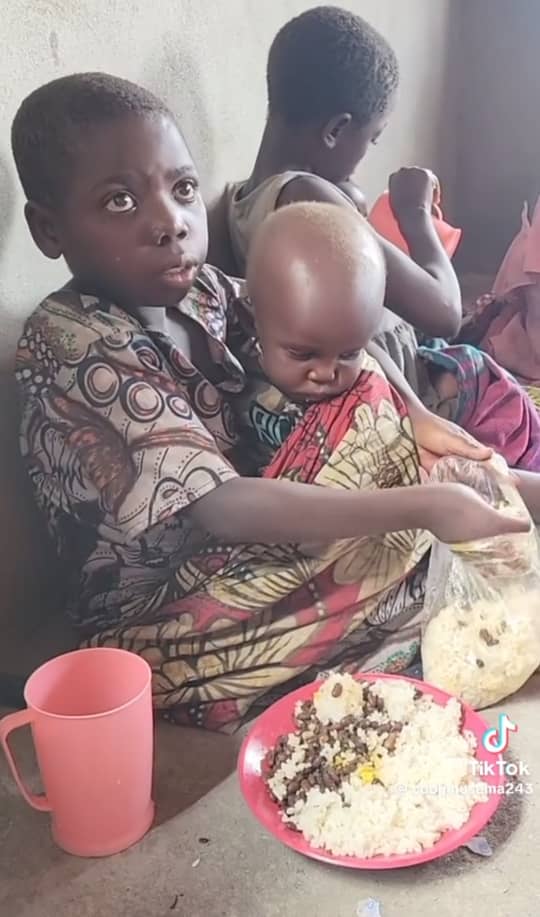
Access to adequate, nutritious food remains a daily struggle for many families in Dzaleka Refugee Camp. For households already facing economic hardship, food insecurity creates deeper vulnerability — especially for women and children.
At Light for the Hopeless (LOTHO), we recognize that food is not just a basic need. It is health, dignity, stability, and opportunity.
The Food Challenge in Dzaleka Refugee Camp
Many families in the camp rely heavily on food assistance. However, food supplies are often:
- Limited in quantity
- Lacking dietary diversity
- Insufficient for large households
- Nutritionally inadequate for children and pregnant women
This can lead to:
- Malnutrition
- Weakened immune systems
- Poor concentration in school
- Increased stress within families
Food insecurity affects every part of community life.
What Food Security Really Means
Food security means more than simply having something to eat. It means:
- Consistent access to sufficient food
- Nutritious and balanced meals
- Safe and healthy food preparation
- Sustainable sources of food production
A family is food secure when they do not have to worry about where their next meal will come from.
Our Food Security Approach
LOTHO works to improve both access to food and the ability to produce it sustainably.
Our initiatives include:
- Community farming projects
- Distribution of seeds and farming tools
- Training in sustainable agriculture practices
- Nutrition awareness sessions
- Encouraging kitchen gardens for household consumption
By combining food production with nutrition education, we aim to improve both quantity and quality of meals.
Promoting Nutritious Diets
Proper nutrition is essential, especially for children.
We encourage the cultivation and consumption of:
- Maize and staple crops
- Vegetables for vitamins and minerals
- Legumes for protein
- Fruits for balanced nutrition
A diversified diet strengthens health, supports child development, and improves overall well-being.
Empowering Women Through Food Production
Women are often responsible for preparing meals and caring for children, yet they face limited access to land and resources.
Through our food security programs:
- Women gain agricultural skills
- Households improve food availability
- Surplus produce can generate income
- Family nutrition improves
When women control food production, family stability increases.
Moving from Dependency to Sustainability
Long-term reliance on aid can create uncertainty. Sustainable agriculture and community farming reduce vulnerability and increase resilience.
Our goal is to help families transition from food dependency to food stability — where they can grow, manage, and sustain their own food supply.
Why Food Security Matters for Community Development
Food insecurity contributes to:
- School absenteeism
- Increased household conflict
- Health complications
- Greater vulnerability to exploitation
Strengthening food security strengthens the entire community.
Join Us in Fighting Food Insecurity
You can support food security in Dzaleka Refugee Camp by:
- Donating seeds and farming tools
- Supporting agricultural training programs
- Partnering with community farming initiatives
- Sponsoring nutrition awareness campaigns
Food is survival.
Food is dignity.
Food is the foundation of development.
Together, we can build a healthier and more resilient future for families in Dzaleka.